
Himalayan pink salt has become a wellness favorite admired for its rosy color, mineral content, and natural origin. But many people wonder: does Himalayan salt have iodine? And if not, should you still use it in place of iodized salt?
Let’s explore what makes Himalayan salt unique, whether it contains iodine naturally, and how to ensure you’re getting enough of this vital mineral for your thyroid health.
Does Himalayan Pink Salt Contain Iodine Naturally?
The short answer is yes but in very small amounts.
Himalayan pink salt is mined from ancient sea deposits in the Khewra Salt Mines of Pakistan. Because it’s unrefined and naturally sourced, it contains trace minerals like potassium, magnesium, calcium, and tiny traces of iodine that occur naturally in the earth.However, these iodine levels are far lower than in iodized salt, which is fortified with iodine during production. So, while Himalayan salt may contain natural iodine, it’s not enough to meet your body’s daily needs.The short answer is yes but in very small amounts.
Iodized Salt vs Himalayan Salt What You Didn’t Know
Let’s be honest: salt is something most of us use every single day, yet we rarely stop to think about the type we’re sprinkling into our food. But lately, there’s been a growing debate iodized salt vs Himalayan salt. Which one is healthier? Does it actually matter which one you use? And what are all those pink salt benefits people keep raving about?
Whether you’re a health-conscious eater or just curious about what’s really in your salt shaker, this guide will break it all down in a simple, human way no chemistry degree needed.
What Is Iodized Salt?
Iodized salt is your basic table salt that has been fortified with iodine a mineral your body needs to keep your thyroid happy and your metabolism in check. It was introduced decades ago to fight iodine deficiency, which was once a serious health problem in many parts of the world.
It’s the salt most people grew up with white, fine, cheap, and always ready to be tossed into soups or sprinkled on fries.
Why people use it:
- It’s affordable
- Easy to cook and bake with
- Helps prevent iodine deficiency
What Is Himalayan Salt?
On the flip side, we have Himalayan salt, also known as pink Himalayan salt. This salt is mined deep within the Himalayan mountains, mainly in Pakistan, and gets its pretty pink color from trace minerals like iron, calcium, and magnesium.
It’s often marketed as the “natural” or “cleaner” salt, and you’ve probably seen it in fancy grinders at upscale restaurants or health food stores.
Why people love it:
- It’s aesthetically pleasing (hello, pink!)
- Milder, richer flavor
- Contains unique minerals
- Feels more “natural” than table salt
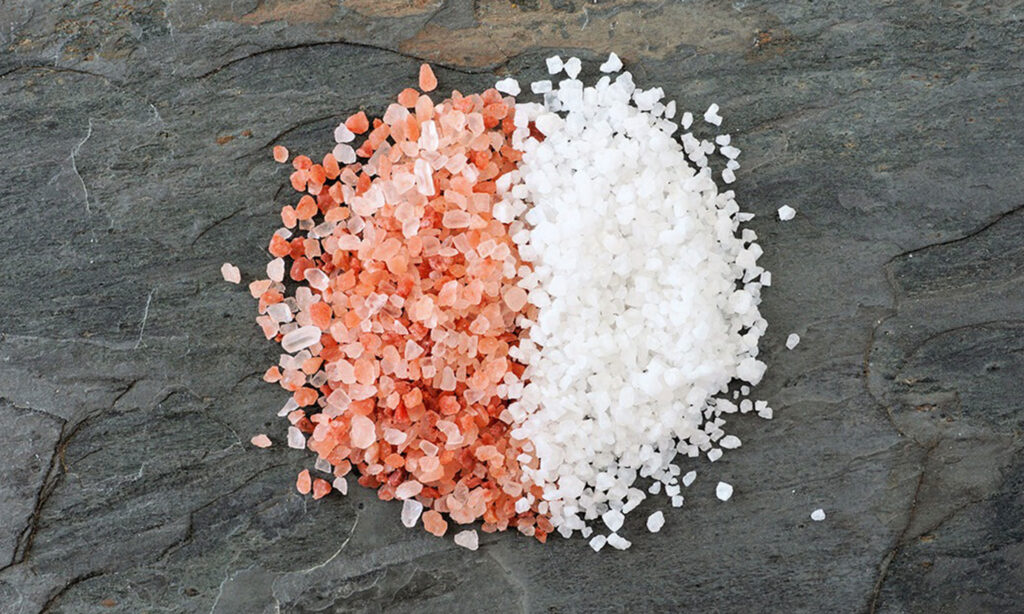
Pink Salt vs Iodized Salt What’s the Difference?
Let’s compare pink salt vs iodized salt side by side:
| Feature | Iodized Salt | Himalayan Salt |
|---|---|---|
| Color | Bright white | Pink to reddish |
| Source | Sea or underground | Himalayan mines |
| Processing | Highly processed | Minimally processed |
| Iodine content | Added | Naturally low |
| Mineral content | Mostly sodium | Over 80 trace minerals |
| Taste | Strong, sharp | Earthy, subtle |
| Price | Cheap | More expensive |
So, in the battle of Himalayan salt vs iodized salt, it’s less about good vs. bad, and more about what you need and value in your diet.
Why Iodine Matters for Your Thyroid Health
Iodine is an essential trace mineral that helps your thyroid gland produce hormones specifically T3 (triiodothyronine) and T4 (thyroxine). These hormones regulate metabolism, growth, brain development, and energy balance.
Without enough iodine, the thyroid can’t function properly, leading to conditions like:
- Goiter (enlarged thyroid gland)
- Fatigue and weight gain
- Hormonal imbalance
- Cognitive issues in children and pregnancy
That’s why many countries have made iodized salt a public health requirement it’s a simple way to prevent iodine deficiency worldwide.
Is Himalayan Salt a Good Substitute for Iodized Salt?
Not exactly at least not for iodine intake.
Himalayan salt is rich in over 80 trace minerals, making it an excellent natural and flavorful option for cooking and wellness use. But if you switch entirely to Himalayan salt and eliminate iodized salt from your diet, you may risk iodine deficiency, especially if you don’t consume iodine-rich foods.
That said, Himalayan salt offers benefits beyond iodine, including:
- Contains natural minerals that support hydration and electrolyte balance
- Unrefined and free from additives
- Lower sodium per teaspoon (due to larger crystals)
- Beautiful color and texture for gourmet cooking
So while it’s a great choice for taste and purity, it shouldn’t replace iodized salt as your only iodine source.
Which Salt Is Better for Your Health?
Iodized Salt: Good for Your Thyroid
Your body doesn’t make iodine, but it needs it for proper thyroid function. If you don’t eat enough seafood, dairy, or eggs, then using iodized salt is a smart and simple way to get this essential mineral.
Himalayan Salt: Natural and Mineral-Rich
Yes, it has unique minerals around 80 of them, in fact but they exist in tiny amounts. So, while Himalayan salt might sound healthier, it probably won’t dramatically change your health unless you’re also making other good dietary choices.
The Real Issue: Too Much Salt
Here’s the truth: no salt is “healthy” in large amounts. Most people already eat more than the recommended 2,300 mg of sodium per day. So no matter what kind of salt you choose, moderation is key.
Pink Himalayan Salt vs Iodized Salt What Should You Choose?
Still torn on pink Himalayan salt vs iodized salt? Here’s a thought:
- If your diet is lacking in iodine (you’re vegan, or don’t eat much seafood or dairy), stick with iodized salt.
- If you love the look, feel, and taste of something more natural and artisanal, Himalayan salt might be your go-to.
You can even use both iodized salt for daily cooking, and Himalayan salt for finishing touches or special recipes.
Final Verdict: Iodized Salt vs. Himalayan Pink Salt
There’s no clear winner in the battle of iodized salt vs Himalayan pink salt. Each has its own benefits:
- Use iodized salt if you’re worried about iodine levels.
- Use Himalayan salt for its natural flavor, pretty color, and extra minerals.
If you’re aiming for better health, your choice of salt should support your overall diet, not define it.
Summary Table
| Salt Type | Best For | Watch Out For |
|---|---|---|
| Iodized Salt | Iodine support, baking | Processed, sharp flavor |
| Himalayan Salt | Gourmet cooking, trace minerals | Lacks iodine, pricier |
How to Get Enough Iodine If You Use Himalayan Salt
If you prefer Himalayan pink salt for its purity and taste, you can still meet your iodine needs through other dietary sources, such as:
- Seafood (fish, shrimp, seaweed)
- Dairy products (milk, cheese, yogurt)
- Eggs
- Fortified foods (iodized bread or supplements)
The recommended daily intake of iodine for adults is around 150 micrograms, according to the World Health Organization (WHO).
If you mostly use Himalayan salt, consider using a small amount of iodized salt occasionally, or speak to a nutritionist about supplementation.
Use iodized salt if:
- You live in a region with known iodine deficiency
- You consume little seafood or dairy
- You’re pregnant or breastfeeding
Use Himalayan salt if:
- You want a natural, unrefined option
- You already get iodine from other dietary sources
- You appreciate its flavor, texture, and aesthetic
The best solution? Use both in balance.
Why Choose Unique Minerals for Himalayan Pink Salt
At Unique Minerals, we source our Himalayan pink salt directly from the Khewra mines in Pakistan, ensuring unmatched purity and mineral content.
Our salt is 100% natural, non-iodized, and chemical-free perfect for cooking, finishing dishes, bath soaks, and wellness rituals. Each crystal is hand-selected to deliver premium quality while preserving the minerals that nature intended.
When it comes to purity, taste, and authenticity, Unique Minerals’ Himalayan salt stands out as a trusted choice worldwide.
FAQs
Is Himalayan salt healthier than iodized salt?
Not necessarily. Himalayan salt contains trace minerals, but iodized salt prevents iodine deficiency, which is more crucial for most people.
Can I use Himalayan salt every day?
Yes, but make sure you’re getting iodine from other sources like seaweed, eggs, or dairy, since pink salt has very little iodine.
Why is iodized salt important?
Iodine supports thyroid health and hormone production. Without it, you risk problems like goiter and fatigue.
Does pink salt taste better than table salt?
Many people think so! Himalayan salt has a softer, earthier flavor compared to the sharpness of iodized salt.
What are the unique minerals in Himalayan salt?
It contains tiny amounts of magnesium, calcium, potassium, and iron — which give it its pink color.
Does Himalayan salt naturally have iodine?
Yes, Himalayan salt contains small, naturally occurring traces of iodine — but not enough to meet daily requirements.
Can Himalayan pink salt replace iodized salt for iodine intake?
No, it can’t fully replace iodized salt. You’ll need other iodine sources like seafood, dairy, or supplements to maintain thyroid health.
How can I get iodine if I prefer using Himalayan salt?
Include iodine-rich foods in your diet or occasionally use iodized salt to meet your body’s needs.